High-Protein Foods for Recovery: Simple Nutrition Plan to Boost Strength, Energy & Healing
Discover high-protein foods and a simple daily nutrition plan to support muscle recovery, boost energy and improve overall strength.
Practical tips by Sandy Rowe, Osteopath & Nutrition Practitioner
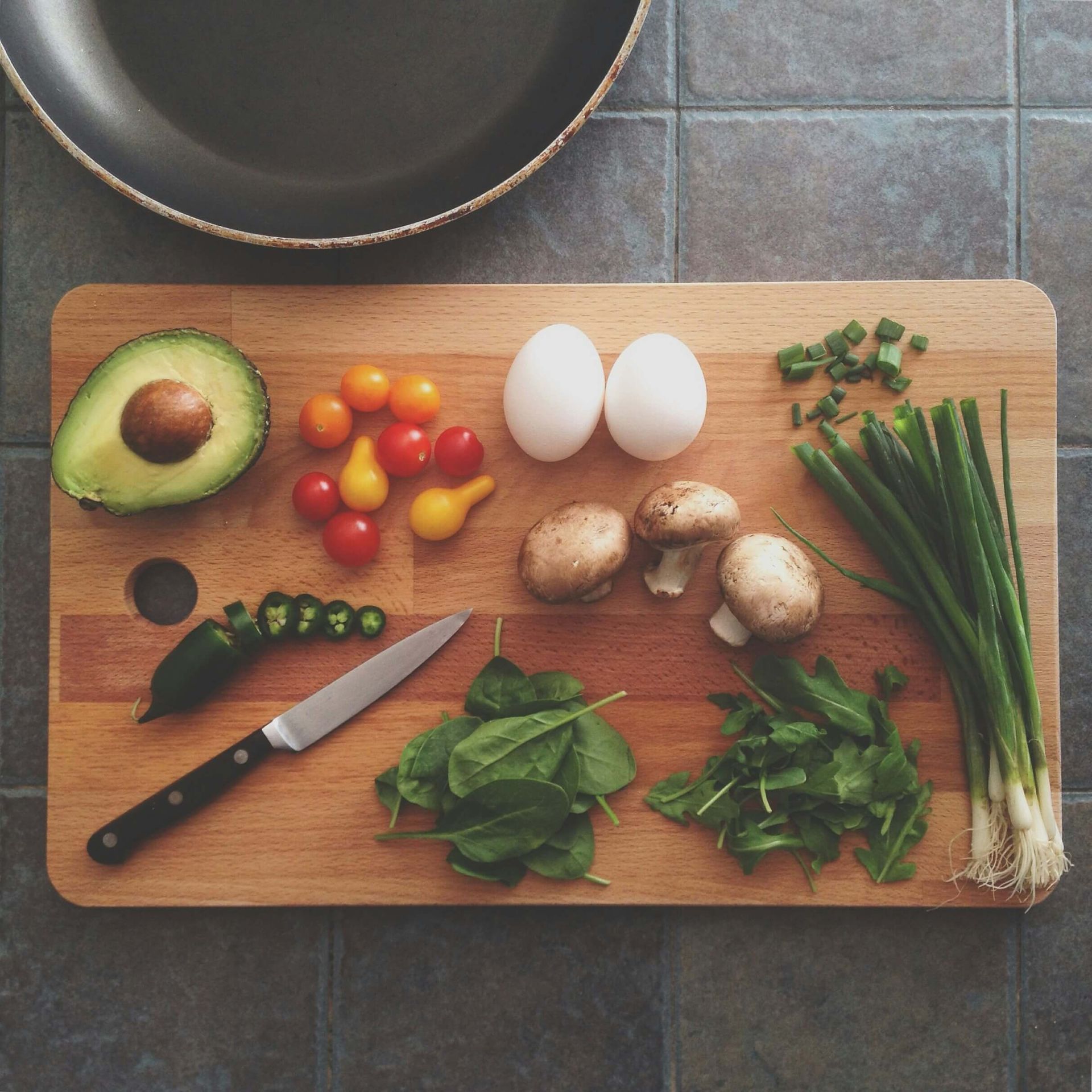
Getting enough protein is essential for tissue repair, supporting recovery from injury, maintaining a healthy body composition, and helping you feel fuller for longer. Because the body stores very little protein, including a good source at every meal and snack can make a noticeable difference to your energy and wellbeing.
This guide expands on Sandy’s Nutrition Tip in our latest newsletter and offers simple, practical ways to increase your daily protein intake in a balanced, sustainable way.
Why Protein Matters for Recovery & Everyday Health
Protein plays a central role in:
- Muscle repair after activity or injury
- Maintaining strength as we age
- Supporting metabolism
- Keeping you satisfied between meals
Most foods contain a mix of protein, carbohydrates, and fats, so balance is key. Eating too much of any one macronutrient can affect energy levels and contribute to weight gain. While eating too little—particularly protein—can make recovery slower and leave you feeling less energised throughout the day.
High-Protein Food Sources: Your Practical Guide
Below are everyday protein-rich foods you can easily include in meals and snacks. These options are naturally nutrient-dense and support overall health.
Animal-Based Protein Sources (Complete Proteins)
These contain all essential amino acids needed for muscle repair and recovery.
- Chicken breast (100 g cooked) → 31 g protein
- Turkey breast (100 g cooked) → 29 g
- Lean beef (100 g cooked) → 26 g
- Pork loin (100 g cooked) → 27 g
- Salmon (100 g cooked) → 22 g
- Tuna (100 g canned in water) → 25 g
- Shrimp (100 g cooked) → 24 g
- Egg (1 large) → 6 g
- Greek yoghurt (200 g) → 20 g
- Cottage cheese (100 g) → 11 g
- Milk (240 ml) → 8 g
- Cheddar (30 g) → 7 g
Plant-Based Protein Sources
Plant proteins also provide fibre, vitamins and minerals. Combining different plant foods helps ensure adequate amino acid intake.
- Lentils (100 g cooked) → 9 g protein
- Chickpeas (100 g cooked) → 9 g
- Black beans (100 g cooked) → 8 g
- Tofu (100 g firm) → 8 g
- Tempeh (100 g) → 19 g
- Edamame (100 g cooked) → 11 g
- Quinoa (100 g cooked) → 4 g
- Oats (100 g dry) → 13 g
- Almonds (28 g) → 6 g
- Peanuts (28 g) → 7 g
- Chia seeds (2 tbsp / 28 g) → 5 g
Example-Day
High-Protein Nutrition Plan
Based on a 65 kg woman aiming for ~1.5–2 g protein per kg body weight per day.
(This is an example only—your own needs may vary depending on age, activity levels, goals, and medical history.)
Breakfast
- Greek yoghurt (200 g) → 20 g protein
- Oats (50 g) → 6–7 g
- Chia seeds (1 tbsp) → 2.5 g
- Berries + drizzle of honey
Approx: 28–30 g protein | 45 g carbs | 10 g fat
Mid-Morning Snack
- 2 boiled eggs → 12 g
- Almonds (28 g) → 6 g
Approx: 18 g protein | 8 g carbs | 15 g fat
Lunch
- Grilled chicken breast (150 g) → 46 g
- Quinoa (100 g cooked) → 4 g
- Spinach, broccoli, peppers
- 1 tbsp olive oil
Approx: 50 g protein | 40 g carbs | 15 g fat
Afternoon Snack
- Edamame (100 g cooked) → 11 g
- Piece of fruit
Approx: 12 g protein | 25 g carbs | 3 g fat
Dinner
- Salmon (120 g cooked) → 26 g
- Baked sweet potato
- Steamed green beans and carrots
- 1 tsp olive oil or butter
Approx: 28 g protein | 35 g carbs | 12 g fat
Optional Evening Snack
- Cottage cheese (100 g) → 11 g
- Berries
Approx: 11–12 g protein | 10 g carbs | 2 g fat
Key Takeaways
- Include a source of protein at every meal and snack
- Spread your intake evenly throughout the day
- Mix animal and plant-based proteins for better nutrient balance
- Adjust portion sizes based on your goals, activity level, and overall health
- Adequate protein supports strength, tissue repair, and recovery—especially alongside osteopathic care and exercise
Looking for Personalised Nutrition Guidance?
If Sandy’s nutrition tip and this guide have sparked your interest, she offers individual nutrition support as part of a whole-body approach to recovery and wellbeing.
Whether your goal is improving energy, supporting injury recovery, building strength, or just eating in a way that feels more balanced, Sandy can help you create a plan that feels realistic and sustainable.
Find out more about Sandy here
or
📩 Reach out to Sandy with any nutrition questions via our email address
.