What is Dry Needling
Dry needling uses very fine, sterile needles to target tight or irritated areas within muscles — commonly known as trigger points. Unlike traditional acupuncture, dry needling is based on Western medical principles, including:
- Musculoskeletal anatomy
- Neurophysiology
- Pain science
- Trigger-point therapy
- It can be highly effective for both acute and chronic pain and is commonly used by osteopaths and sports medicine practitioners
Who is Dry Needling for?
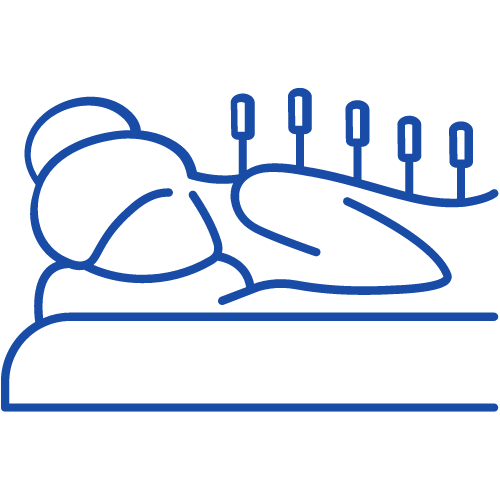
Dry needling is commonly used for :
- Back and neck pain
- Shoulder stiffness (e.g., rotator cuff tightness)
- Sciatica-related muscular tension
- Headaches and jaw tension
- Sports injuries
- Muscle spasms
- Postural strain
- Tendon-related irritation (when muscular tension contributes)
Our practitioners will only use dry needling where it is clinically appropriate and part of a broader hands-on treatment plan.
How does it work?
Dry needling helps by:
- Reducing muscle tension
- Improving local blood flow
- Modulating the nervous system
- Reducing irritation around trigger points
- Helping muscles relax to restore movement
Many people feel an immediate sense of release or improved mobility after treatment.
What is the difference between Dry Needling and Medical Acupuncture?
Although the needles look similar, dry needling and traditional acupuncture are different:
Dry Needling
- Uses Western anatomy
- Targets trigger points
- Focuses on musculoskeletal pain and movement
- Performed by osteopaths, physios & sports therapists
Traditional Acupuncture
- Based on Traditional Chinese Medicine
- Uses meridians & energy pathways
- Aims to support broader systemic health
The techniques do have a lot of overlap, so please contact us if you have an queries.
Your Practitioner – Max O’Connor (Dry Needling)
Max uses dry needling within his osteopathic treatments where appropriate. His approach is gentle, targeted, and always combined with manual therapy, exercise advice, and rehabilitation tailored to your goals.
What to expect during a session?
Your osteopath will:
- Assess your symptoms and movement
- Identify any muscular trigger points
- Use fine needles to release the areas of tension
- Combine this with hands-on treatment
- Give you clear after-care advice
Most people describe the sensation as a brief dull ache or twitch, followed by a feeling of release.
Is Dry Needling safe?
Dry needling is considered very safe when performed by a trained practitioner.
Common temporary effects include:
- Mild soreness
- Slight bruising
- Temporary fatigue
Your osteopath will explain everything clearly and ensure you feel comfortable throughout.