ITB Syndrome – What is it and what can I do about it?
By Max O'Connor, Osteopath at Victoria Park Osteopaths
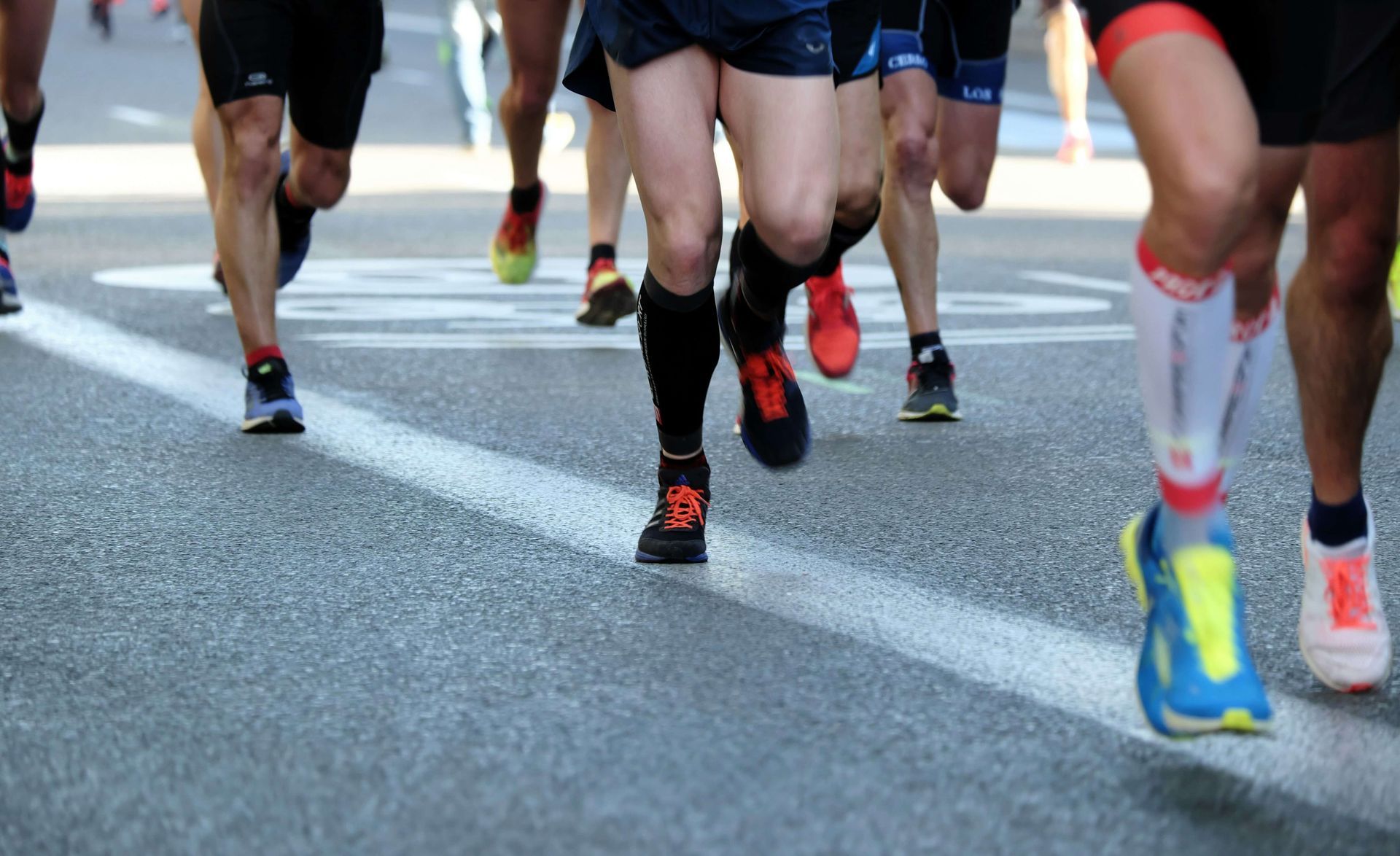
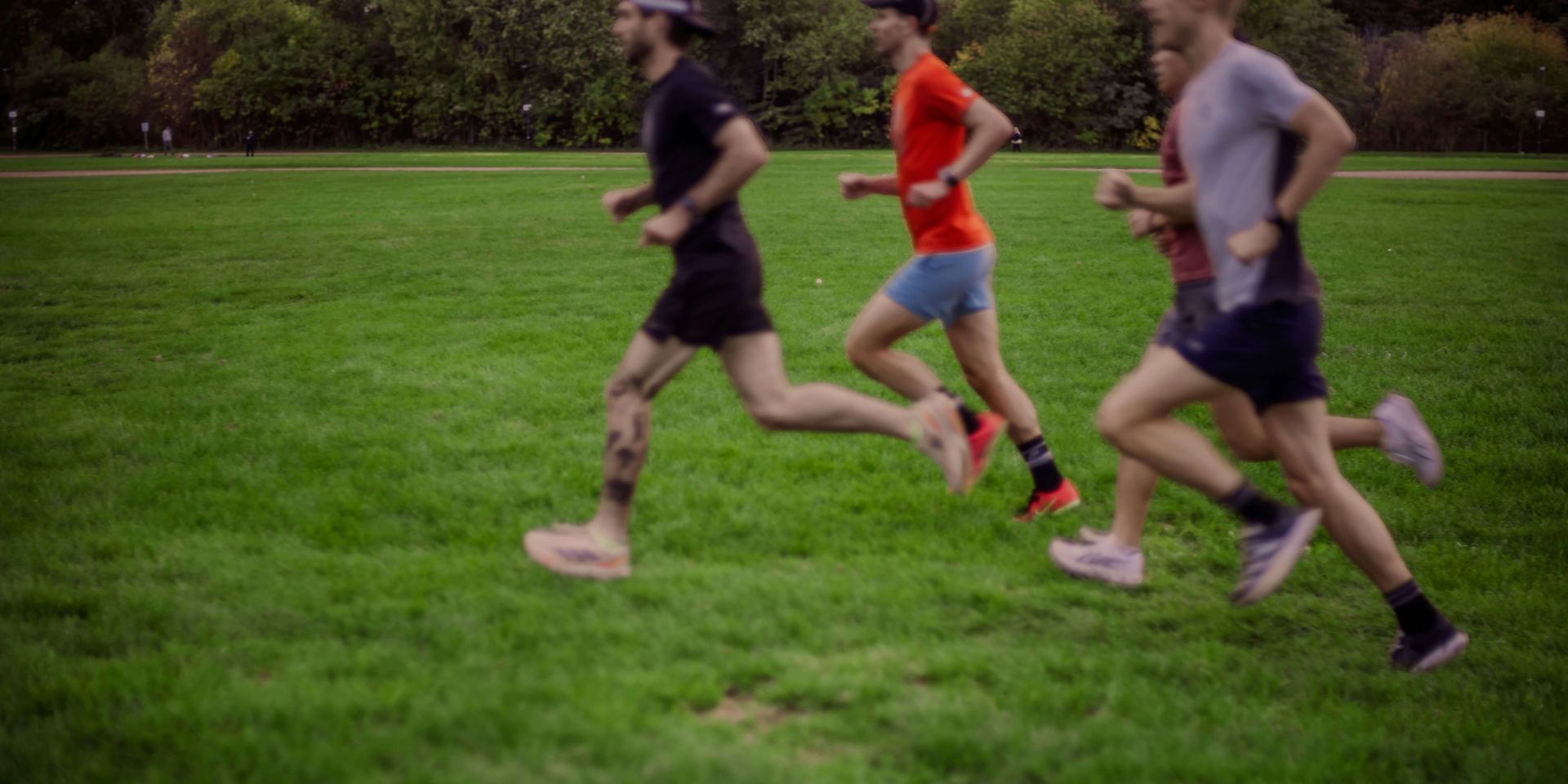
As we roll into spring and welcome warmer days, more people are getting out and about for a run. With the London Marathon and Hackney Half fast approaching, there is training to be done, and what better place than sunny Victoria Park to do so?
As an Osteopath and someone who regularly works with runners in clinic, this time of year also tends to coincide with a noticeable increase in running-related injuries. One of the most common presentations I see is
Iliotibial Band Syndrome (sometimes fittingly referred to as ‘Runner’s Knee’ or ITB Syndrome).
What is ITB Syndrome?
The iliotibial band (ITB) is a thick band of connective tissue that runs from the outside of the hip down to the outside of the knee. Its role is to help stabilise the leg during walking and running.
ITB Syndrome typically presents as pain on the outside of the knee, especially during or after running. Many runners notice it more when running downhill, increasing mileage too quickly, or during longer-distance runs. Symptoms are often worse during the backswing phase of running and can gradually become more persistent if ignored.
At an anatomical level, symptoms are aggravated by repetitive compressive force around the outside of the knee, leading to irritation of the underlying tissues. While runners are most commonly affected, cyclists and people increasing lower-body training volume can also experience similar symptoms too.
Why does it happen?
In clinic, ITB Syndrome is most commonly linked with training load increasing faster than the body is ready for. Often this happens when runners suddenly increase mileage, add extra hill or speed sessions, or reduce recovery time between runs.
Some common contributing factors I regularly see include:
- Sudden increases in weekly mileage
- Increasing hill or speed work too quickly
- Poor recovery between sessions
- Returning to running too aggressively after time off
- Weakness around the hips and glutes affecting running mechanics
- Changes in footwear or training surface
Usually it is not just one single cause, but a combination of training load, recovery and movement mechanics gradually irritating the area over time.
What can I do to help my symptoms?
When runner’s knee rears its head, there are a few simple things you can do to help reduce symptom intensity and calm things down.
Ice
Icing the outside of the knee for periods of 10–15 minutes when symptoms flare up can help settle irritation and reduce discomfort.
Reduce running load
Taking a short step back from aggravating runs is often helpful. From there, gradually easing back in with shorter, conversational-paced runs where symptoms remain manageable is usually a good starting point.
I would also generally advise avoiding downhill running during this period, as this is commonly one of the biggest aggravating factors.
Keep moving
Complete rest is not always the answer. In many cases, maintaining some level of comfortable activity alongside progressive rehab exercises is more effective than stopping completely for long periods.
Exercises targeting hip strength, glute control and lower limb stability can be particularly helpful in reducing recurrence and improving running tolerance over time.
When should you get it assessed?
If symptoms are persisting beyond a couple of weeks, worsening during runs, or beginning to affect day-to-day activities such as stairs or walking, it is worth getting assessed.
Pain on the outside of the knee is not always ITB Syndrome, and getting things looked at early can help rule out other causes whilst giving you a clearer recovery plan and return-to-running strategy.
Final thoughts
Running injuries can be frustrating, especially when you are building towards an event or finally getting consistency back into your training. The good news is that ITB Syndrome generally responds well when training load, recovery and rehab are managed appropriately.
If you are struggling with ongoing knee pain whilst running,
our team at Victoria Park Osteopaths can help assess what is driving the issue, guide your return to running, and build a rehab plan tailored to your goals.